When considering a London hair transplant, one of the most important decisions you’ll face is choosing the right method for your needs. The two most popular techniques are FUE (Follicular Unit Extraction) and FUT (Follicular Unit Transplantation). Both have their advantages and drawbacks, and the method that works best for you depends on factors like your hair type, budget, and desired results. In this article, we’ll compare FUE and FUT to help you determine which hair transplant method is right for you.
What Is FUE (Follicular Unit Extraction)?
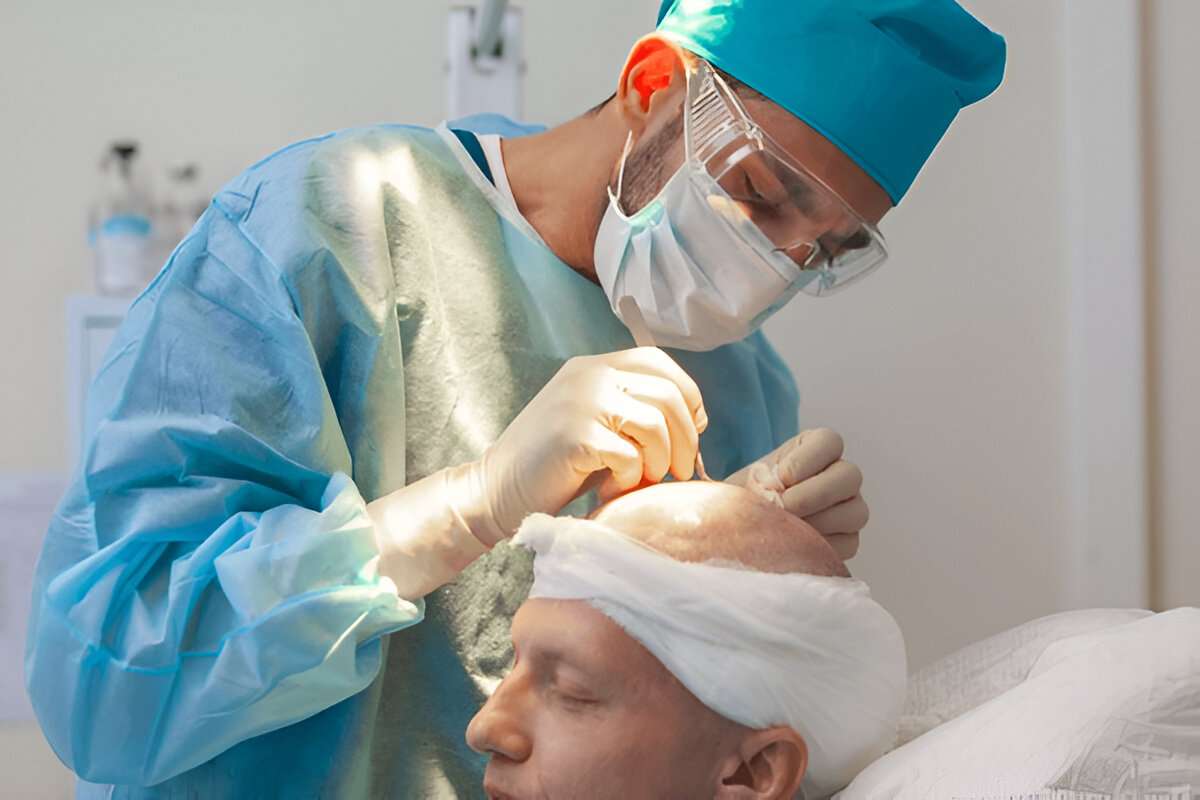
FUE is a modern hair transplant technique that involves extracting individual hair follicles from the donor area (usually the back of the head) and transplanting them into the thinning or bald spots. The key benefit of FUE is that it is minimally invasive. The surgeon uses a small punch tool to remove hair follicles, leaving tiny, almost undetectable scars behind.
FUE offers several advantages, particularly for patients who are concerned about visible scarring. Since the extraction process doesn’t involve removing a large strip of scalp, the scars are small and less noticeable. This makes FUE a great option for people who prefer to wear their hair short or have a busy lifestyle, as there is less downtime and a quicker recovery period.
What Is FUT (Follicular Unit Transplantation)?
FUT, also known as the strip method, involves removing a strip of skin from the donor area, typically the back of the head. The strip is then divided into individual follicular units under a microscope before being transplanted into the thinning or balding areas. Unlike FUE, FUT leaves a linear scar along the donor area, which can be more noticeable, particularly if you wear your hair short.
However, FUT is often recommended for patients who require a larger number of grafts, as it allows the surgeon to harvest more follicles in one session. It is generally a more cost-effective option when compared to FUE, making it a good choice for those on a budget or those with extensive hair loss.
Key Differences Between FUE and FUT
Both FUE and FUT are effective hair transplant techniques, but they differ in a few important areas. Here’s a breakdown of the key differences:
Scarring
One of the biggest differences between FUE and FUT is the type of scarring each method leaves. FUE leaves tiny, dot-like scars that are hard to see, even under short hair. These scars heal quickly and are less noticeable over time. On the other hand, FUT leaves a linear scar in the donor area, which may be visible if you have short hair.
Recovery Time
The recovery time for FUE is typically shorter than that of FUT. Since FUE is minimally invasive, patients usually experience less discomfort and swelling. Most people can return to their normal activities within a few days. With FUT, the recovery time is slightly longer, as the procedure involves stitching the donor area, which can take longer to heal.
Number of Grafts
If you need a large number of hair follicles, FUT may be the better option. Since FUT involves harvesting a strip of skin, it allows the surgeon to extract more grafts in a single session. FUE, while effective for smaller areas, may require multiple sessions to achieve the same result, depending on the number of follicles needed.
Suitability for Hair Type
FUE is often preferred for patients with finer hair or those looking to fill in smaller areas. It’s also ideal for those with a busy lifestyle who want minimal downtime and discreet healing. FUT, on the other hand, is generally better suited for patients with thicker hair or those needing a larger transplant to cover extensive hair loss.
Which Method Is Right for You?
Choosing between FUE and FUT depends on your individual needs, preferences, and goals. Here are some factors to consider when deciding which hair transplant in London is right for you:
Your Hair Loss Stage
If you have mild to moderate hair loss and want a discreet, minimally invasive procedure, FUE might be the best option for you. It is particularly effective for those with a small area of hair loss or those who don’t need a large number of grafts. If your hair loss is more extensive, FUT might be more appropriate, as it allows the surgeon to extract more hair follicles in one session, providing more coverage.
Desired Results
If your goal is to have a natural-looking hairline with minimal scarring, FUE is likely the better option. The small, dot-like scars are virtually undetectable, and the recovery time is quicker. However, if you need a larger number of grafts and don’t mind the linear scar, FUT might offer the best results, particularly for those who have larger areas of hair loss.
Budget Considerations
FUE is generally more expensive than FUT due to the additional time and precision required for follicle extraction. If you have a limited budget and need a larger number of grafts, FUT might be a more affordable option. However, if cost is not a major concern and you’re looking for a minimally invasive procedure with quicker recovery, FUE may be worth the investment.
Hair Style Preferences
If you prefer to wear your hair short, FUE may be the better choice since it leaves less noticeable scarring. FUT, on the other hand, leaves a linear scar that could be visible if you wear your hair very short. If you plan on keeping your hair longer, the scar from FUT is more likely to be hidden.
Consult with a Professional
The best way to determine which hair transplant method is right for you is to consult with an experienced surgeon. A professional in London will assess your hair type, the extent of your hair loss, and your desired results to recommend the best course of action. During your consultation, be sure to ask about the surgeon’s experience with both FUE and FUT, as well as the potential risks and benefits of each method.
Conclusion
When considering a London hair transplant, FUE and FUT are both effective methods for restoring hair. FUE is ideal for those looking for a minimally invasive procedure with discreet scars and a quicker recovery. FUT, on the other hand, is more suitable for those who need a larger number of grafts and don’t mind the linear scarring.
Ultimately, the best method for you will depend on your unique needs, budget, and desired results. By consulting with a qualified surgeon, you can make an informed decision and achieve the natural-looking hairline you’ve always wanted.